A doctor doesn’t speak the same language as an entrepreneur. An entrepreneur doesn’t speak the same language as hospital management. Hospital management doesn’t speak the same language as an investor. An investor doesn’t speak the same language… you get the idea—it’s an endless loop!
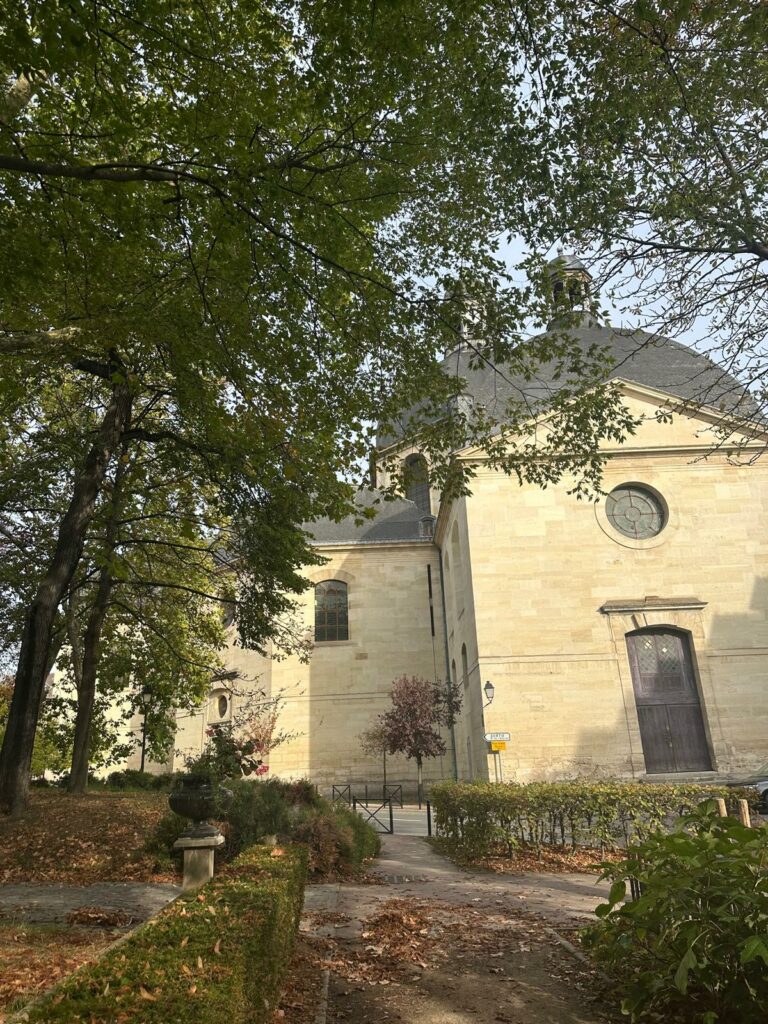
And yet… talking, dialogue, and collaboration are essential for a healthcare innovation to become a reality. That is precisely where our story with the AP-HP (Assistance Publique – Hôpitaux de Paris) began in 2017, when we set up operations at the heart of the Pitié-Salpêtrière – Charles Foix University Hospitals. Over seven years of #hospitalimmersion, we gradually learned the codes, constraints, and realities—and learned to speak the languages—of the hospital ecosystem. Above all, we sparked #conversations.
These conversations paved the way for concrete initiatives: from the creation of #ASIIA (the Association of Innovative Start-ups from AP-HP) and the #BrainTale project to supporting the #OBE Foundation, as well as numerous collaborations involving doctors, paramedical staff, entrepreneurs, and other ecosystem stakeholders.
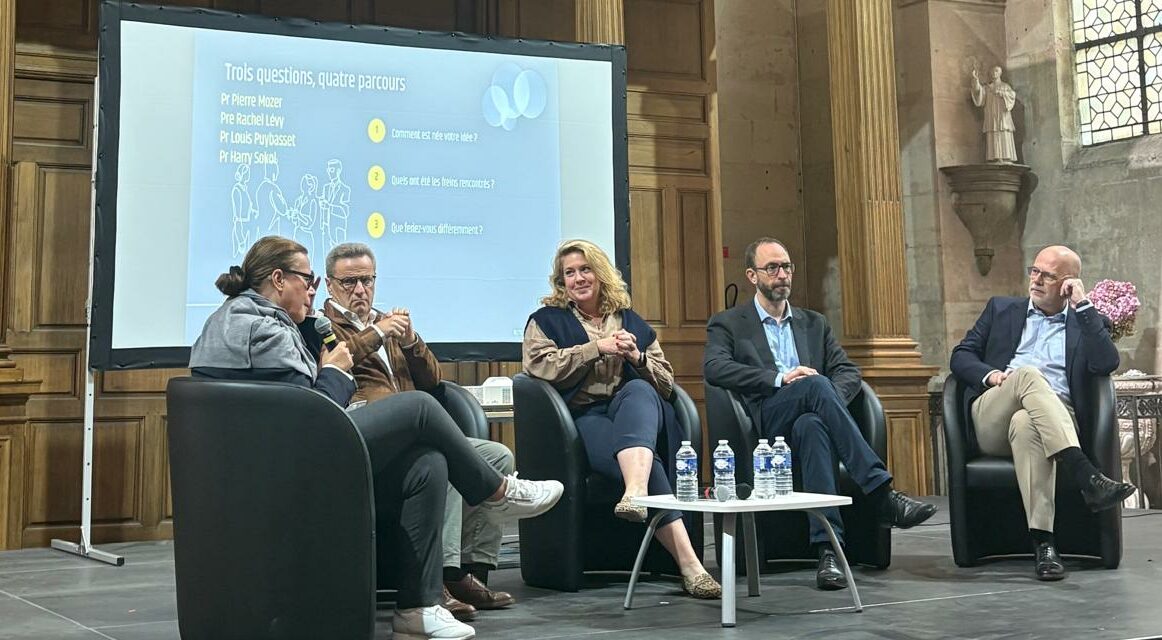
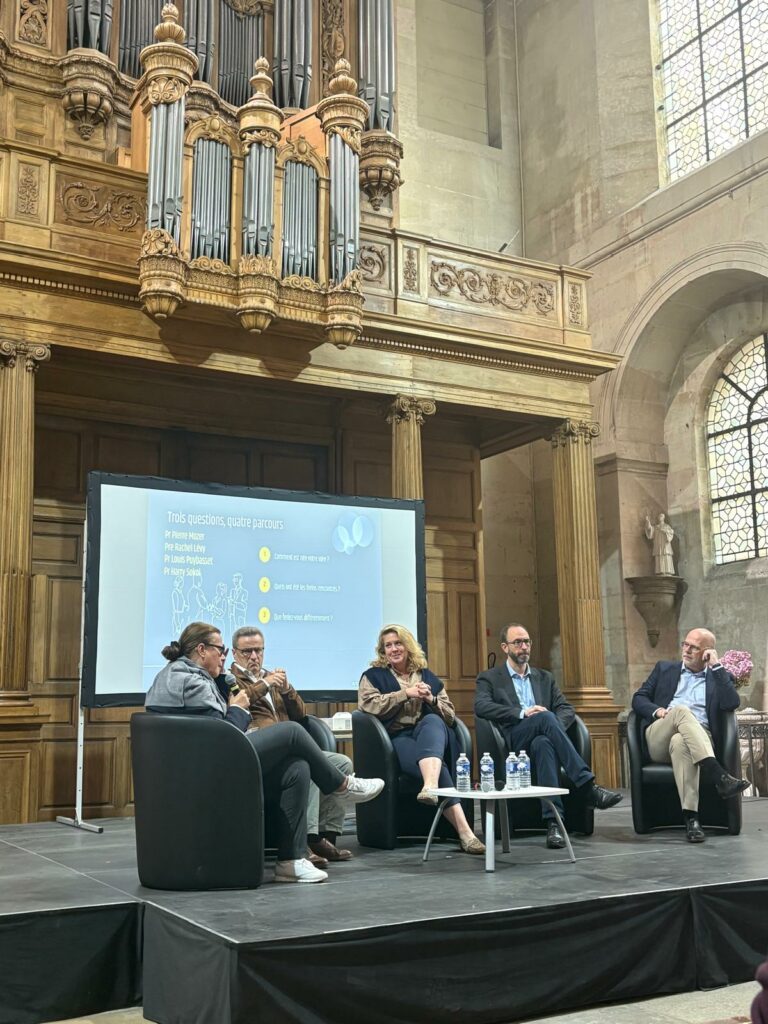
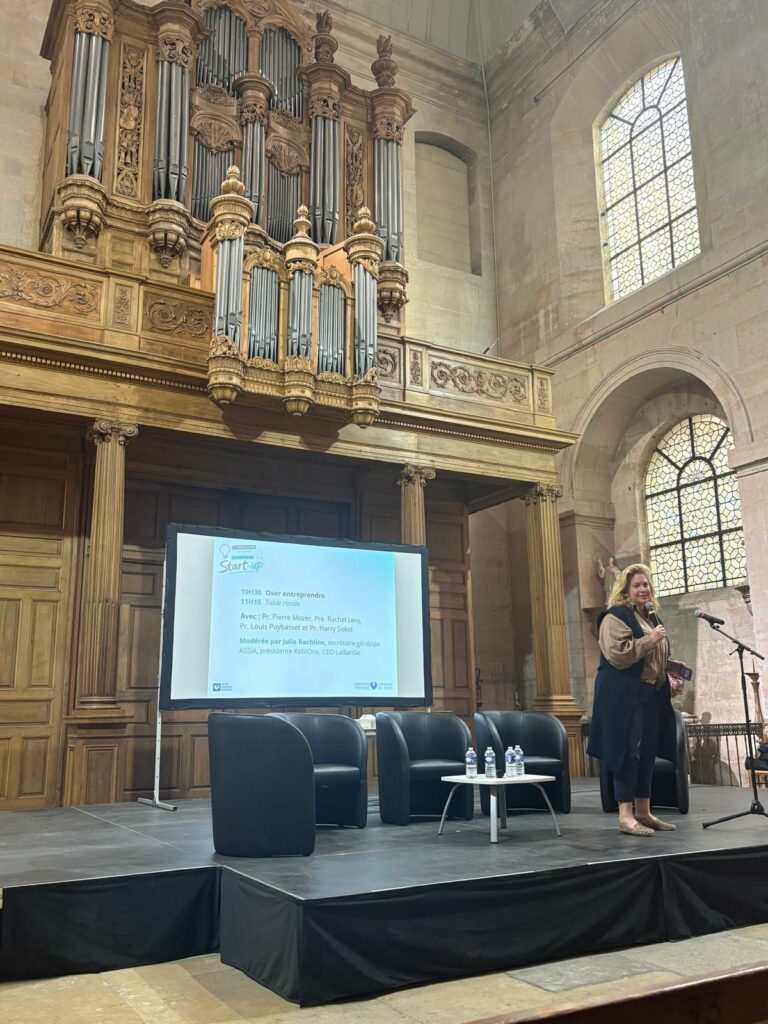
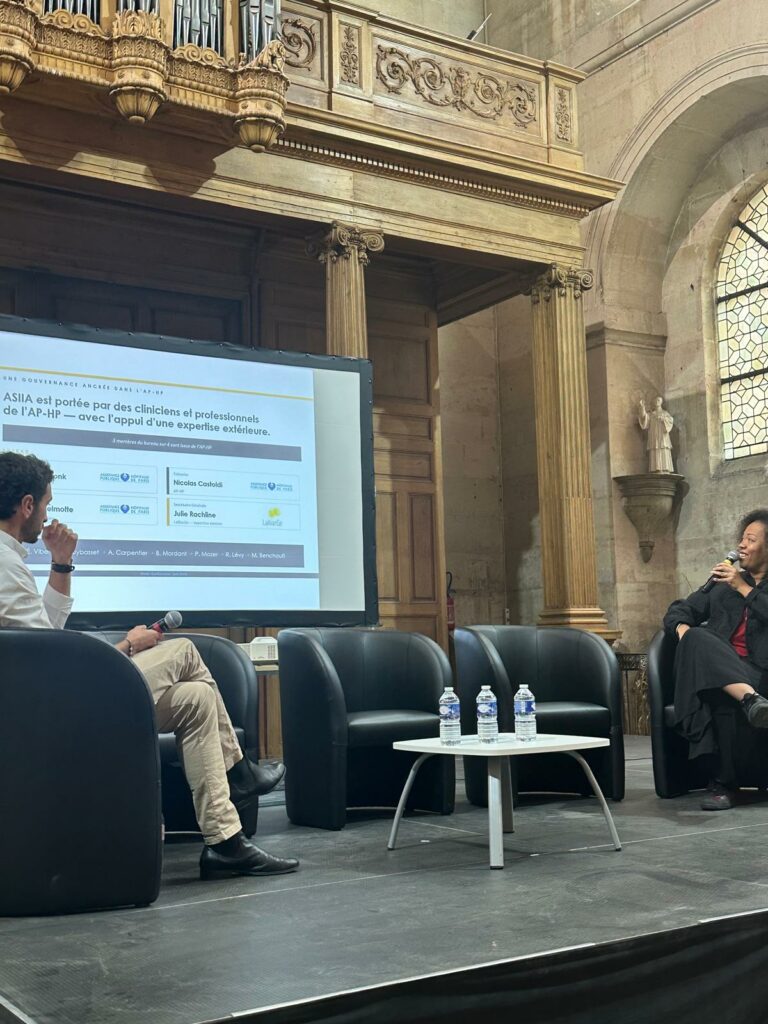
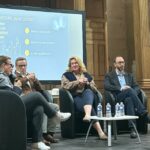
This spirit was very much present at the event “From Hospital to Start-up: Entrepreneurship for Healthcare Innovation,” held at the Sorbonne University Hospital Group (GHU). Four clinician-entrepreneurs came to share what drove them to take the leap into entrepreneurship: Pierre Mozer, Rachel Lévy, Harry Sokol, Louis PUYBASSET.
It was about translating the challenges of one “world” to make them understandable to another; enabling a clinician, an entrepreneur, an institution, or an investor to understand one another well enough to build together.
This ability to build bridges is what we have been cultivating for over a decade: creating the conditions for worlds that do not naturally speak the same language to understand each other, collaborate, and bring projects to life.
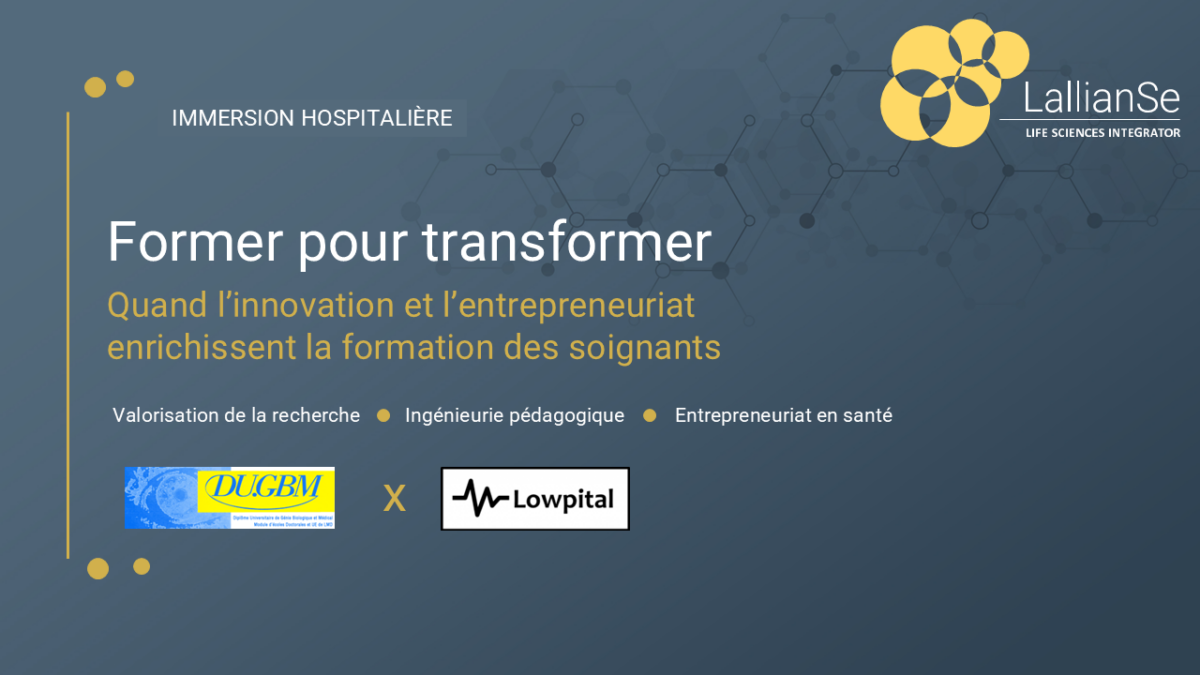
When Innovation and Entrepreneurship Enrich Healthcare Professional Training
Healthcare professionals have the ideas, but not always the (right) tools.
This quote from Professor Thomas Similowski, which concluded our previous article, continues to resonate deeply. It highlights a well-known tension in the hospital world: innovation exists everywhere, all the time—but it too often remains isolated, unspoken, or even invisible.
During seven years of immersion at the Pitié-Salpêtrière Hospital and within the AP-HP (Assistance Publique – Hôpitaux de Paris), one conclusion became undeniable: innovation can no longer be a “side-step” in healthcare professional training. It must be an integral part of it. Not as an option, but as a core competency.
Having an idea is a good start. Knowing how to structure it, carry it forward, and, above all, add value to it is quite another. Why should innovation be an integral part of healthcare professional training?
Because we can no longer provide care without innovating. This is our conviction, which led us, for this fourth and final article in our series, to explore two complementary approaches nurtured by years of collaboration: one is academic and structuring, the University Diploma in Biological and Medical Engineering (DU GBM) at the Sorbonne University Faculty of Health, initiated over 35 years ago by Professor Alain Sezeur (Deputy Director) and currently led by Professor Adrien Six (Training Director); the other is agile and anchored in usage, driven by Aude Nyadanu, PhD, and her innovation agency, Lowpital. Two visions, one shared conviction: training is transforming.
The DU GBM: Academia at the Service of Value Creation
1. The Origins of a Unique Training Program
Created in the 1980s by Professor Alain Sezeur, the DU GBM was born out of a founding frustration. At the time, Alain Sezeur was working within a pioneering CNRS team specializing in biosilicone materials. Artificial organs had been developed and patents filed—but they were perceived as “blocking” patents by an American multinational.
I found this personally very frustrating as a young intern and chief resident. So, I created the DU GBM, because biological and medical engineering is the combination of all engineering and medicine.
Pr. Alain Sezeur, Founder and Pedagogical Director of the DU GBM
Even back then, researchers were producing major innovations—but these too often remained unexploited or stuck in the laboratory. This University Diploma was therefore designed to allow participants to build bridges between two worlds: academic research and industry.
Since then, the DU’s mission has not changed: learning how to add value to research, understanding the healthcare ecosystem, and transforming an idea into an intelligible value proposition—for an investor, an industrialist, or an institution. Forty years later, the DU has trained generations of professionals who have founded or structured the first technology transfer offices in universities, hospitals, AP-HP, INSERM, biotech startups, and even international institutions like the World Anti-Doping Agency.
For me, value creation is the ultimate purpose of research. It’s not the publications. It’s about delivering societal benefits.
Pr Alain Sezeur
Professor Adrien Six, an immunology researcher trained at the Institut Pasteur, took over responsibility for the DU in 2024. His journey perfectly illustrates the strength of the program: a former student of the DU GBM and a jury member for over ten years, he became head of the program when its sustainability was at stake. He notes with humor that he took over this responsibility “out of a sense of oblivion”!
Indeed, taking over the DU revealed both the richness and the fragility of the program: a demanding curriculum, an exceptional network of speakers, diverse and loyal audiences—but also a heavy administrative workload carried with limited resources.
A training program of this age, with this many enrollees, which still attracts just as many people despite operational difficulties—it simply must continue to exist.
Pr Adrien Six, head of the DU GBM
2. Who is it for? And why?
The DU GBM’s student body is one of its greatest strengths. Adrien identifies three distinct profiles: working professionals looking to reinvent themselves or better understand the innovation ecosystem; young researchers at the end of their PhD or in post-doc positions, considering a move into the industrial world; and engineering school and innovation master’s students taking the DU as a complementary component of their curriculum.
This represents 70 to 80 enrollees each year, with fully booked sessions and very high satisfaction rates. But beyond the numbers, it is the concrete impact that stands out.
A doctoral student who has completed this training will take a few months to find a job. A doctoral student who lacks knowledge of value creation and the various career paths can sometimes take several years!
Pr. Alain Sezeur
3. Becoming Acculturated to Innovation… and Much More!
To the question “what do participants actually learn?”, the answer is straightforward: “Participants become acculturated to the biomedical innovation ecosystem. They know how to talk about it and understand its codes and vocabulary.”
Learning how to discuss it, speaking the same language, and knowing who to contact at every step of the chain from the innovative idea to the market. However, what speakers and alumni emphasize above all is something deeper: a shift in posture.
After the DU, they know how to speak. They know part of the vocabulary. And above all, they know who to speak to. This is fundamental for anyone questioning their career path.
Pr Adrien Six
It is primarily about discovering an ecosystem. Examples of transformed career paths abound: pharmacists who became heads of medical device evaluation committees, researchers who launched technology transfer offices in major institutions, and biotech startup founders who defended their DU thesis before securing their first rounds of funding. As Julie Rachline , co-pedagogical director of the program, summarizes: “We could almost ask the opposite question: are there any major innovation projects coming out of this Paris-region ecosystem where none of the stakeholders have done the DU?” This network frequently becomes a tangible accelerator.
This vision is shared by Professor Sezeur, who campaigns for the authorization to supervise research (HDR) to formally include a certification of competence in value creation: the Allègre Law of 1999 opened this path by formally establishing innovation as one of the core missions of research professors—it is high time to bring it fully to life.
The LallianSe Perspective:
LallianSe – Life Sciences Integrator has been a partner of the DU GBM for three years, and Julie Rachline serves as its co-pedagogical director. This is not just a label: it represents real involvement in designing content, leading sessions, providing a strategic outlook on the program’s evolution, and acting as a bridge to the field.
It means providing university organizers with insights and a vision from the non-academic side: sensing market needs, advising on how the DU can communicate better, reorganize, and identify areas for improvement.
Adrien Six, on the partnership with LallianSe
Creating a dialogue between two worlds that still speak to each other too rarely is our commitment alongside the University.
This training addresses a real, structural need: equipping healthcare professionals—among others—with the mindset, tools, and the right conversations to turn their intuitions into viable projects.
Lowpital : Instructional Design as a Lever for Transformation?
1. A Different Way of Learning
While the DU GBM provides the framework and structure, Lowpital transforms through experience. Founded by Aude Nyadanu, PhD, Lowpital is an innovation and instructional design agency that helps healthcare institutions and professionals—among others—navigate their transformations.
Our interactions with Aude go back several years, notably through the Challenge Innovation, where she brought her Design Thinking expertise to the heart of the application process. We asked her for her definition of Design Thinking, which is far from being a concept reserved only for experts:
Design thinking consists of approaching challenges creatively and iteratively, focusing on the real needs of users and encouraging interdisciplinary collaboration. It is theoretical common sense.
Aude Nyadanu, founder of Lowpital
The heart of the method does not lie in the tools—but in the posture. And this applies to the least glamorous, yet most frequently neglected step: the needs assessment.
Just change your paradigm: stop looking for solutions among experts based on what you already know, and truly go out into the field to understand the needs. That is the core of the approach.
Aude Nyadanu
She uses a highly evocative image: “If you have a machine, you don’t just want to know if it works or doesn’t work. You want to know what the gears look like inside, and why they sometimes get jammed; otherwise, you can never fix the machine.” This metaphor resonates strongly within a hospital system where dysfunctions are frequently identified but rarely fully understood.
2. What This Changes in the Healthcare Professional’s Posture
Healthcare managers are among Lowpital’s key audiences: “They already inherently possess my three keywords—empathy, humility, and rigor.” What Lowpital offers is a transformation in their relationship with their own power to act.
An example: Anne, a healthcare manager in infectious diseases, initially created a clever device to encourage handwashing using a musical experience and a motion sensor cobbled together from a Halloween prop. A year later, she was setting up an entire vaccination center.
This dynamic also impacts teams as a whole. At the Groupe hospitalier Nord-Essonne (GHNE), a team working on waste sorting in the operating room thought the topic was too complex for them. By breaking the problem down into multiple sub-problems and prioritizing them, they started by improving the color-coding of waste bags, making real headway on the main challenge. A small action, but a huge mental breakthrough! It is about giving healthcare professionals the power and energy to execute and take action.
3. The Challenges Innovation with LallianSe and the GHU AP-HP Sorbonne Université
Lowpital stepped in on several occasions during the Challenge Innovation cycles. The objective: utilize design thinking methodology to challenge and strengthen the applications of healthcare project leaders, ensuring they addressed real needs on the ground.
Learning by doing, along with empowering everyone to act, transforms one’s relationship with work and innovation, enabling healthcare professionals to become active drivers of their daily routines. Beyond offering a space for development, it is essential to add a fundamental condition for success: project leaders must have the space to experiment, the right to make mistakes, and the institutional backing to see things through. Without this, even the best intentions turn into frustration. Healthcare professional training must therefore be perceived and encouraged from a 360-degree perspective.
The LallianSe Perspective
Lowpital and LallianSe share a founding conviction: do not bring ready-made solutions, but create the conditions so that healthcare professionals and innovators can become the authors of their own transformations.
What we built together in the Challenge Innovation is a hybrid model: the methodological rigor of instructional design, fueled by field knowledge of the hospital, and amplified by our network of healthcare innovation stakeholders. Each edition proved that this mix works.
Perspective : Training is Equipping Those Who Run the System
The DU GBM and Lowpital represent two different approaches, yet they share the exact same conviction. One structures thought, provides vocabulary, and builds a network. The other anchors practice in reality, unleashes initiative, and transforms postures. Together, they outline what any health innovation training should be: demanding yet accessible, theoretical yet pragmatic, individual yet collective.
What these two approaches reveal is a fundamental shift: moving from a posture of an executor to that of an actor. Moving from a professional who undergoes reforms to one who imagines them. From a healthcare worker who observes dysfunctions to one who addresses them—with method, a network, and the words to convince.
Because that is also where a quiet but decisive transformation takes place: learning to speak the language of business. Knowing how to write a business plan, understanding user experience (UX), and mastering the basics of intellectual property are all indispensable skills for being taken seriously by decision-makers.
Thomas Similowski spoke in our last article about the need to “learn to unlearn.” These training programs are a concrete illustration of this: they invite professionals to question their certainties, approach problems differently, and accept iteration as a method and a learning process rather than a failure.
And what if real change started there? Not by waiting for the system to transform from the outside, but by equipping those who run it so they can drive the movement themselves?
Training to care is no longer enough. We must now train to transform.
We must accept to take ownership of it, moving from a passive stance to a proactive posture. This is, ultimately, the core message of this article—and the common thread running through our seven years of immersion.
Do you speak « LallianSe » ? A doctor doesn’t speak the same language as an entrepreneur. An entrepreneur doesn’t speak the same language as hospital management. Hospital management doesn’t speak the same language as an investor. An investor doesn’t … Continue reading “GHU Sorbonne University”
Training to Transform? When Innovation and Entrepreneurship Enrich Healthcare Professional Training Healthcare professionals have the ideas, but not always the (right) tools. This quote from Professor Thomas Similowski, which concluded our previous article, continues to resonate deeply. It highlights a … Continue reading “Hospital Immersion Series – Article #4”
Hospital Innovation:Why Healthcare Professionals Must Be at the Heart of Change After three initial articles dedicated to our immersion at La Pitié-Salpêtrière Hospital — exploring the origins of the Innovation Challenges and sharing the stories of projects led by award … Continue reading “Hospital Immersion Series – Article #3”
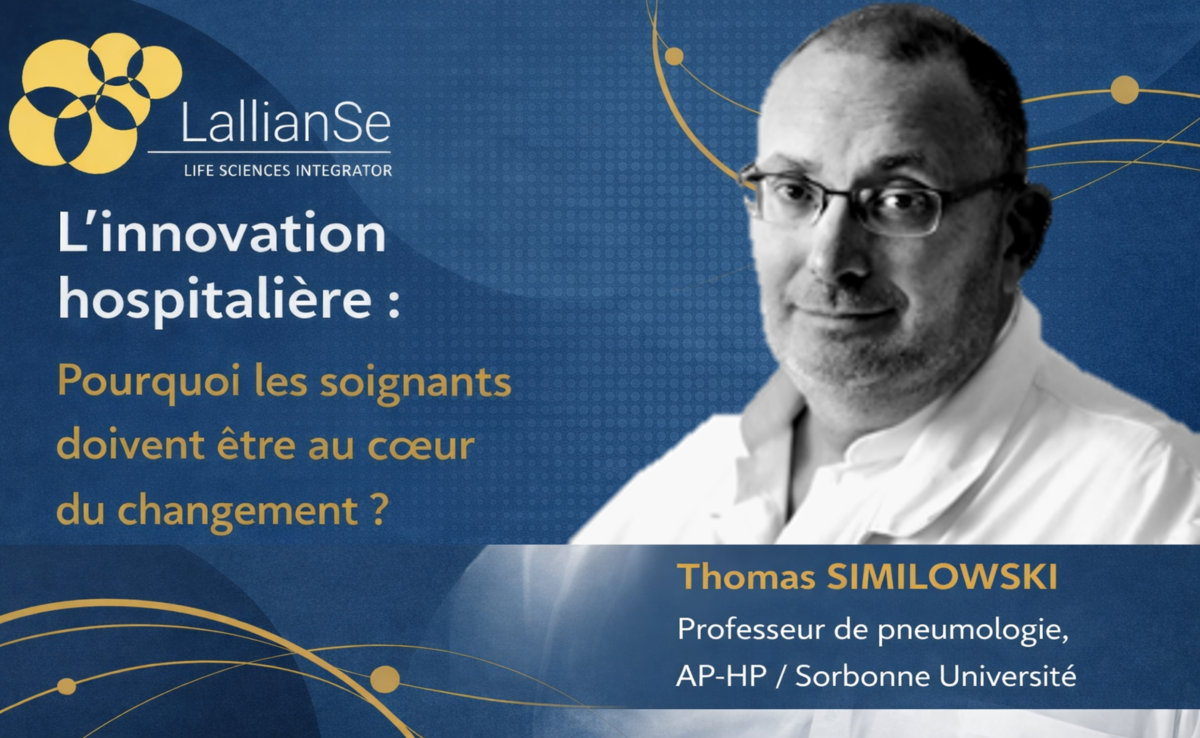
Hospital Innovation: Why Healthcare Professionals Must Be at the Heart of Change
After three initial articles dedicated to our immersion at La Pitié-Salpêtrière Hospital — exploring the origins of the Innovation Challenges and sharing the stories of projects led by award winners — we wanted to step back and take a broader view: what happens when innovation is born on the ground… and then confronts the system?
To explore this question, we spoke with Professor Thomas Similowski, Professor of Pulmonology at the Faculty of Health of Sorbonne University and hospital practitioner at AP-HP (Assistance Publique – Hôpitaux de Paris). He heads the R3S Department (“Respiration, Resuscitation, Respiratory Rehabilitation, Sleep”) at La Pitié-Salpêtrière Hospital, as well as the joint research unit UMRS 1158 Inserm – Sorbonne University, “Experimental and Clinical Respiratory Neurophysiology.”
Beyond his medical, clinical, and scientific credentials, Thomas Similowski is also an active player in healthcare innovation, at the crossroads of care, entrepreneurship, and research. He is co-founder and scientific advisor of the start-up AUSTRAL Dx, which develops an innovative contactless digital clinical examination device. He is also co-inventor of around twenty patented devices, processes, and methods, and director of a research unit strongly committed to research valorization, with the support of the Research and Innovation Office of Sorbonne University and SATT LUTECH. His perspective is therefore grounded in concrete and ongoing experience of innovation — from ideation to commercialization.
Before this conversation, we had prepared a structured interview guide designed to address field realities, recognition, attractiveness, barriers, solutions… and above all to give space to a strong conviction: healthcare professionals represent an immense reservoir of innovation.
His message — candid and direct from the very first minutes — disrupted our plan. His vision of innovation within public hospitals is critical and highlights a reality often shared by teams: “Healthcare professionals have the ideas and understand the needs… but they do not always have the tools to turn those ideas into concrete solutions.”
1) The Field: An Irreplaceable “Sensor” of Needs
The observation is clear: the most relevant hospital innovation does not begin in a meeting room — it emerges from daily practice. It grows out of difficulties, “pain points,” care constraints, complex patient pathways, from what “doesn’t work” and, repeated ten times a day, eventually becomes a need.
Thomas puts it very directly: healthcare professionals “know what needs to be done.” They see what is missing, what causes fatigue, what creates risk, what can be improved — because they live the reality minute by minute. This applies equally to organizational innovation (pathways, coordination, roles, interfaces) and technological innovation (tools, devices, digital uses).
During our discussion, he emphasized that “useful” innovation is often field-based innovation: the kind that makes a procedure simpler, a relationship smoother, or care delivery safer. And this is precisely why healthcare professionals must be at the heart of change — not as a principle, but because they are closest to the evidence: what works, what doesn’t, and what would help.
« Healthcare professionals have the knowledge, they have the ideas.»
But he immediately adds the crucial condition: ideas are not enough.
2) From Idea to Reality: The Real Challenge Lies in the “Conditions”
The discussion highlights a central issue: creativity is not lacking in hospitals. What is lacking are the conditions for success — and sometimes even a framework that does not discourage energy before it has had the chance to become a project.
Thomas describes an ecosystem where people sometimes “see the problems before the solutions,” where caution becomes a reflex, and where administrative pathways can feel like a layering process — the opposite of the initial objective. Even when sharp, his remarks reflect a reality recognized by many project leaders: between idea and deployment lies a series of complex steps (legal, organizational, budgetary, regulatory, among others) that are not always clear to those on the front line. He describes a system that too often discourages before it supports.
He uses a powerful expression to define innovation: “divergent creativity” — the courage to step outside the framework, to propose something different, to imagine otherwise. By nature, innovation challenges what already exists:
« Innovation is a form of disrespect. »
This statement, of course meant metaphorically, conveys an essential idea: you cannot create something new without questioning established habits. The problem arises when innovation is expected to be immediately compatible with all processes, validations, and timelines — as if it must strictly remain “within the box.”
For Thomas, the real issue is not asking healthcare professionals to be more innovative — it is enabling them to innovate without exhausting themselves. He summarizes this shift clearly:
« Healthcare professionals have the ideas, but they don’t have the tools.»
These “tools” are very concrete:
A clear pathway (who to speak to, in what order, and for what deliverable or objective?),
Identified contacts (who are the right stakeholders within target structures?),
Timelines compatible with the urgency of care (rather than an abstract, disconnected pace).
He highlights two key areas where real progress is possible: continuous innovation support processes (including associated professional and individual pathways) and the development of a culture that secures experimentation (including the right to test, prototype… and even fail).
He also points to a very operational difficulty: “even when motivated, you sometimes move forward blindly — because you are told about step one but not step two. And just when you think you are progressing, you fall into a ‘hole’ (administrative, legal, methodological).” The result in the field is predictable: motivation turns into apprehension.
This is a reality: between idea and implementation, the journey is often long, difficult, and filled with obstacles unrelated to the project’s intrinsic quality. According to him, “involving healthcare professionals can ultimately produce the opposite of the desired effect: frustration, disappointment, discouragement. A machine that wears down goodwill.”
3) Paramedical Professionals: Immense Potential… Yet Still Too Invisible
During the discussion, Thomas raised a very concrete and revealing question: when an idea comes from a physician, pathways — however complex — exist. But when a paramedical professional has an idea, where do they go? Who welcomes it? Who responds? Who supports them in refining, exploring, prototyping, or protecting it if needed?
His observation is clear: without an identified and accessible pathway, there is a real risk of dispossession. The idea circulates, transforms, sometimes dilutes… and the original initiator may eventually disappear from the radar.
«The problem is not the idea. The problem is the pathway. And for paramedical professionals, that pathway is neither clear nor visible.»
This is why it is essential to give paramedical professionals a central place in hospital innovation thinking. Their practical expertise is decisive: they are closest to procedures, organizational realities, and daily constraints. Yet innovation pathways remain too structured around traditional codes — publications, research mechanisms — that do not always align with their professional journeys. They must be encouraged to dare to formulate, test, and build.
Thomas does emphasize that awareness is growing. Efforts are underway, institutions are beginning to more clearly identify the place of paramedical professionals in innovation dynamics, and some mechanisms are evolving in the right direction. But, in his view, while awareness is emerging, the road ahead remains long to make these pathways truly visible, accessible, and equitable. The challenge is no longer only to recognize their role in care — but to concretely structure their place in innovation.
This is precisely what emerged from the projects presented in the previous articles of this series. Whether the OB-E Foundation, Pikidou, or T-OUT, these projects were born from paramedical field ideas, carried by healthcare professionals who benefited from structured support. The result? Concrete, deployed, useful projects — and above all, strengthened momentum, both individually and collectively.
When the framework is clear, when support structures are available and guidance is adapted, ideas come to life, project leaders remain engaged, and innovation becomes a lever for recognition.
4) Valuing Caregiver Innovation: A Lever for Attractiveness and Recognition
Beyond projects themselves, a broader issue emerges: innovation can help restore momentum to teams — recognition, pride, dynamism, a sense of usefulness, the desire to build.
Even within his demanding vision, Thomas highlights something valuable: hospitals do not lack talent; they sometimes lack signals that authorize that talent to express itself. He notes that innovation requires “breaking codes.” But if the environment penalizes anything that stands out, the natural reflex is caution.
«We must invite healthcare professionals to board a train that is already moving. »
In other words, if institutions want to attract and retain talent, they must demonstrate that they can transform field energy into results — not merely into endless procedures.
5) What Next? Transmitting, Equipping, Making the Path Reproducible
The conclusion is simple: if we want caregiver-driven innovation to become a collective capability rather than an exception, we must equip and transmit.
Thomas puts forward a powerful idea: learning to “unlearn.” Behind this expression lies a reality: many professionals have been trained to “do things right,” to follow rules and tick boxes — which makes sense in care. But innovating also means learning to explore, prototype, test, and allow for imperfect beginnings.
«We would need training to learn how to unlearn. »
Above all, he reminds us of a key point: innovation is not just an idea. It is a process — from creativity to valorization, and sometimes to transfer. For Thomas, basic pedagogy about the “pathway” prevents fear and disengagement: “At the very least, let’s explain what the boxes are.”
LallianSe’s Perspective:
This interview initially left us perplexed. It clearly highlights the difficulties and the key issues of motivation, support, and long-term commitment. But ultimately, it brings forward a central question: the ecosystem is imperfect — should that lead us to give up?
At LallianSe, our DNA lies in action and construction. What we have learned through years of immersion is that you do not change a system outright — but you can support its evolution through leverage points: spaces of trust, agile and innovative initiatives, renewed interactions between caregivers, innovators, and experts.
When healthcare professionals’ ideas become concrete solutions: a comparative look at Pikidou and T-OUT & Romain Gombert (Craft & Care).
Because they are closest to patients, their practices, and their needs, healthcare professionals’ ideas and insights have immense innovative potential – provided they are encouraged, listened to, supported, and put into action.
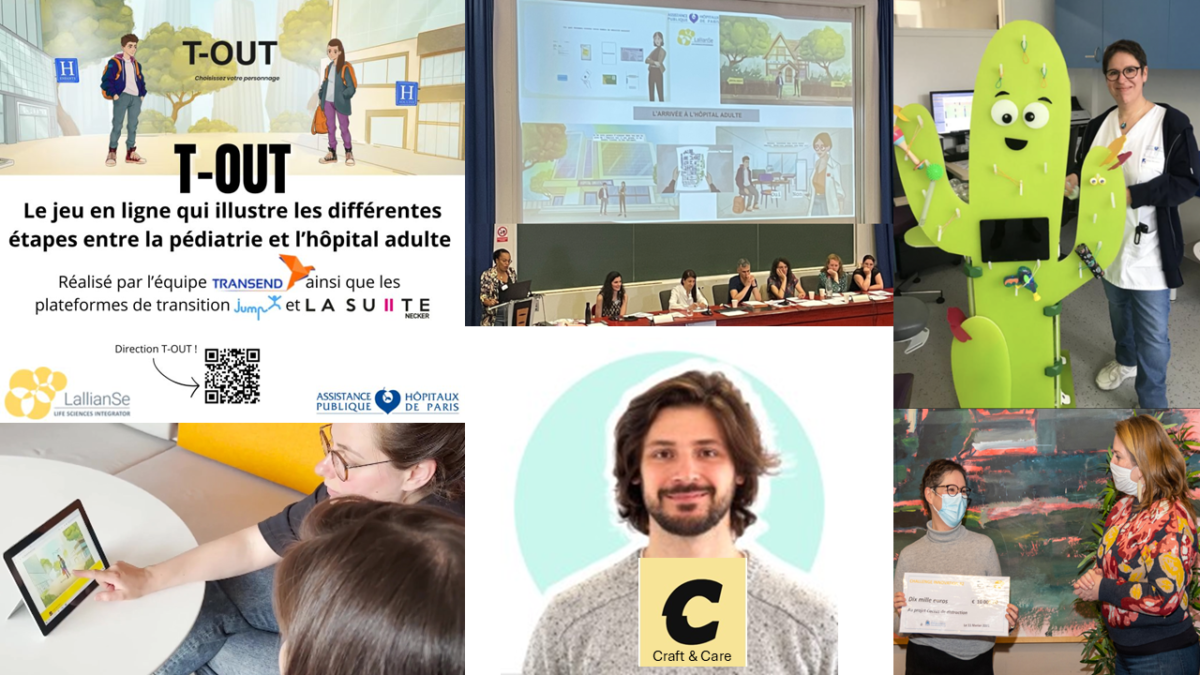
This is the ambition behind our commitment through the #ChallengeInnovation, calls for projects initiated and managed within the APHP.Sorbonne University Hospital Group: to uncover these ideas from the field and empower them to become reality. Today, we are proud to share the story of two projects that illustrate this conviction: Pikidou, conceived and led by Cécile Combes, and T-OUT, conceived and led by Sandrine Bottius and now continued by Natasha Figueiredo.
Two unique projects, two distinct contexts, two different editions of the Challenges Innovation , but the same ambition: to meet concrete needs with simple, human, and effective solutions. Both were supported by #LallianSe, received financial backing, and were co-developed with the same partner, Romain Gombert, founder of Craft & Care.
Pikidou: A fun cactus to ease the stress of pediatric care
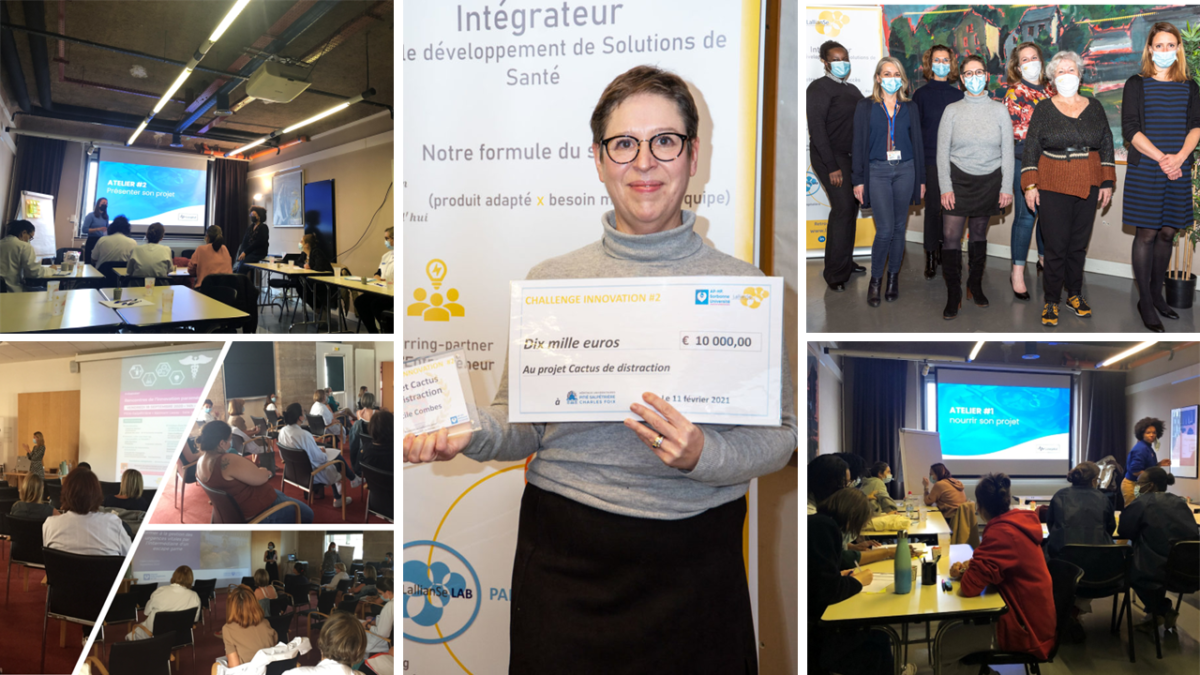
Winner of the Challenge Innovation #2 in 2021, Cécile Combes, a physiotherapist at the Cystic Fibrosis Resource and Competence Center of the Pediatric Pulmonology Department at Hôpital Armand-Trousseau (#APHP), is the creator of the #Pikidou project.
Pikidou was born from a simple observation:
«Recreational tools, although they exist, are often put away and therefore underutilized. I wanted to make them visible, accessible, and above all, fun for children. » Cécile Combes
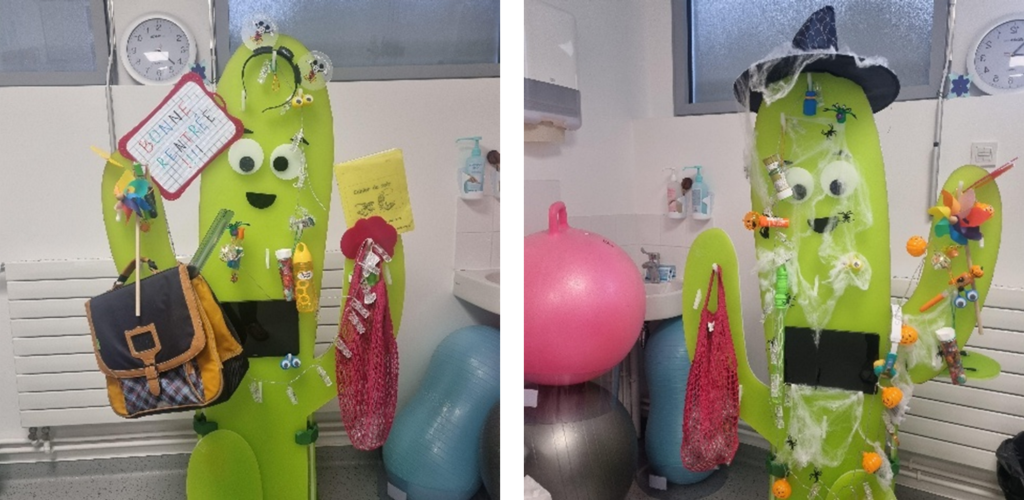
From this observation, an idea was born: a mobile, colorful, and expressive cactus-shaped distraction tower. Incorporating nitrous oxide (MEOPA) for treatment, it offers playful distractions attached to its “spines,” chosen directly by the children. Transforming what is often an anxiety-inducing moment into a gentler experience, Pikidou has become much more than a device: it’s a daily companion for hospitalized children.
« Pikidou is now part of the service and evolves with the seasons. Children with chronic illnesses are delighted to see him change and come to treatment more readily. He’s a real icebreaker!» Cécile Combes
How did the idea become a reality?
Thanks to a grant of €10,000 and support from LallianSe valued at €13,500, Cécile was able to turn an initial idea into a device used daily in her department.
To bring this idea to fruition, LallianSe acted as a catalyst by connecting her with Romain Gombert.
An engineer and designer, Romain specializes in medical engineering and innovation management. After leading the #LivingLab at the Paris Brain Institute (#ICM) until 2021, he founded Craft & Care, an organization dedicated to the design and development of healthcare innovations at the intersection of design, technology, and clinical practice. Having been connected with LallianSe for several years at the Pitié-Salpêtrière site, where Romain’s activities at the ICM were located, Romain’s involvement seemed an obvious choice when Cécile expressed her need. It was an intuitive understanding of the potential for collaboration, both operational and personal, which quickly materialized.
« LallianSe was my very first partner, the one who enabled me to turn an idea into reality and lay the foundations for what is now Craft & Care », says Romain Gombert.
With him, Cécile discovered the prototyping process, the technical constraints, and the solutions adapted to a healthcare environment.
Beyond the result, this collaboration illustrates the strength of the bond between healthcare professional and expert: a pragmatic and human co-creation, where each idea takes shape through mutual understanding and a convergence of need and feasibility.
« Communication with Romain was easy and fluid. His relational and technical knowledge allowed us to move quickly. He made me different design proposals and even invited me to attend the laser cutting of the plexiglass in a Parisian workshop: it was fascinating ! », she recalls.
What is the concrete impact for patients and staff?
The impact is tangible: children take ownership of the character, become attached to it, and smile even before their treatment begins. The project has become a reality!
«Since Pikidou was introduced, children come to the first aid station more willingly, simply to see it or choose their favorite toy. The MEOPA is hidden in the cactus, which makes the experience less medical and more playful. » Cécile Combes.
The system has also changed the team dynamic: it fosters communication, camaraderie, and gives renewed meaning to the moments shared with the young patients. In an often hectic environment, Pikidou brings a touch of lightness and humanity.
And now?
The adventure doesn’t end there. Presented at the AP-HP Innovation Day and registered with the #OTTPI (AP-HP Technology Transfer & Innovation Hub), Pikidou is now attracting the interest of external stakeholders. Discussions have begun with companies to explore wider distribution, and Cécile is considering an impact study to scientifically validate its added value.
« For my part, I no longer miss any calls for projects because you only win if you play… » explains Cécile.
Son expérience est devenue une source d’inspiration pour ses pairs.
« The Challenge Innovation is a huge facilitator of turning dreams into reality. Without LallianSe, Pikidou would not exist in this form. »
What if healthcare innovation reshaped the hospital?
Beyond the technology itself, Pikidou illustrates a fundamental dynamic: that of a hospital transforming itself through its own teams. The involvement of healthcare professionals in innovation goes beyond simply implementing projects; it renews the culture, practices, and perspective on care. Encouraging innovation is also essential for the well-being of healthcare professionals, beyond just the patients themselves!
Why not consider hospital innovation as also stemming from ideas born on the ground and nurtured by the patient relationship? Can the involvement of healthcare professionals in innovation truly change the way the hospital operates?
Before that, let’s discover another winning project of the Challenge Innovation, which shares this same ambition to rethink the patient journey through the creativity and commitment of its teams: T-OUT.
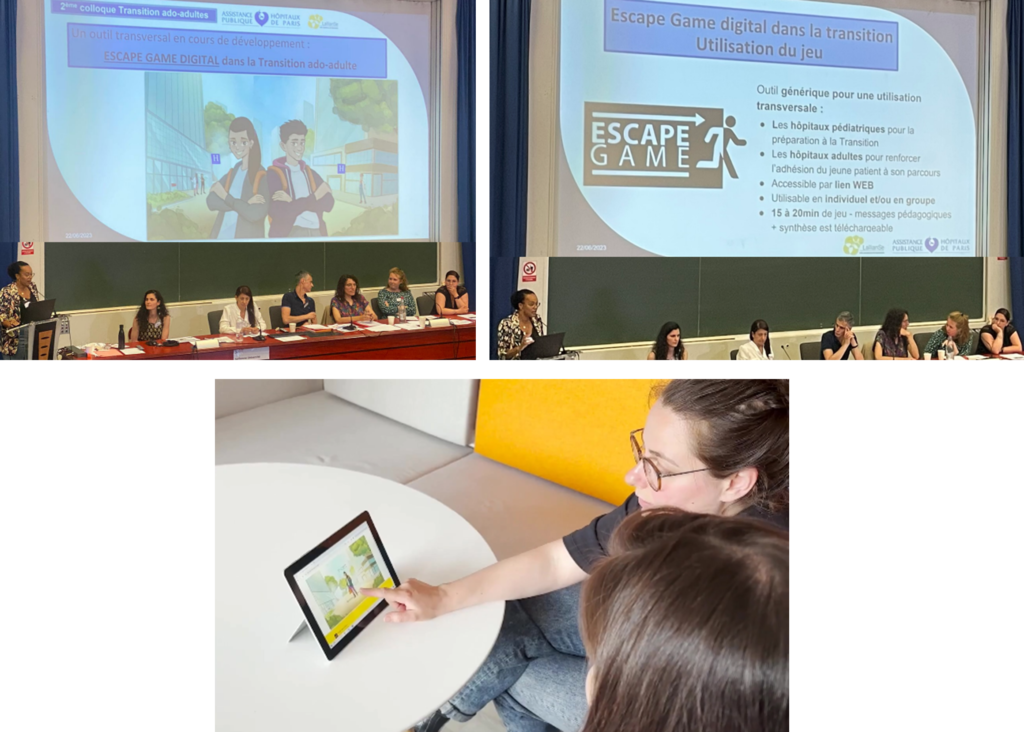
T-OUT: A digital escape game to support the transition from pediatric to adult care
Winner of the Grand Prize at the Challenge Innovation #3 in 2022, T-OUT is a digital escape game conceived by Sandrine Bottius, then a care pathway coordinator in the pediatric-to-adult transition service at Pitié-Salpêtrière Hospital (AP-HP), now led by Natasha Figueiredo.
Their ambition? To support adolescents with chronic illnesses through a key stage in their care journey: the transition from pediatric to adult care. This pivotal moment, often dreaded by patients and a source of disruptions in their care pathway, inspired Sandrine:
« I saw firsthand the difficulties faced by young patients during their transition to adult care. I had this somewhat unusual idea of using games to address a very serious issue: preventing disruptions in healthcare pathways. »
Thus was born T-OUT, a digital escape game that is fun, educational and therapeutic, designed to help young people understand, anticipate and experience this transition more serenely.
How did the idea become a reality?
Winner of the Grand Prize at the Challenge Innovation #3, T-OUT received a grant of €12,000 and support from LallianSe worth approximately €16,000. Thanks to this support, the idea was transformed into a concrete and operational digital tool—and, most importantly, one used by the patients themselves.
LallianSe supported Sandrine at every stage: project structuring, selection of the technical provider, development strategy, and educational positioning.
« The 2022 Challenge Innovation was a fantastic sounding board: it allowed us to move from an idea to a recognized and supported project, with real legitimacy », explains Sandrine.
To bring this project to fruition, Romain Gombert was once again called upon. Already a partner on Pikidou, he contributed his technical expertise and understanding of hospital challenges, in addition to his project management and innovation development skills.
« Having already known the health sector, Romain was able to translate an innovative but still abstract idea into a concrete digital tool. He made it possible to optimize the technical choices, respect the budget framework without giving up on the objectives, and ensure the feasibility of the project », says Sandrine.
This collaboration, fueled by the same spirit of co-creation as for Pikidou, allowed T-OUT to find its final form: an immersive and educational escape game, co-constructed with patients, caregivers in pediatrics and adult care, around a common objective — to facilitate the transition between two worlds of care.
« Being surrounded and supported allowed me to turn obstacles into opportunities to consolidate and strengthen the project», says Sandrine.
What impact will this have on patients and staff?
Since its launch in the fall of 2024, T-OUT has been used in several hospital units. It is offered before or during the transition to adult wards to help young people become familiar with this new environment.
« Some patients told us that T-OUT helped them to better visualize what awaited them in the adult sector. This de-dramatized the transition and opened up discussion on topics they would not have spontaneously brought up», explains Natasha Figueiredo.
From the teams’ perspective, the feedback is equally positive: the game becomes a concrete tool for approaching the transition differently, in a more playful and interactive way:
« The involvement of healthcare professionals in innovation is essential to support the evolution of patients, especially younger generations born in a digital world. We need to speak the same language to create a strong bond of trust », emphasizes Natasha.
In parallel, T-OUT is the subject of a clinical study conducted at the E3M Institute, as part of a call for projects from the Fondation Maladies Rares on social and therapeutic innovations. The objective: to scientifically measure the effectiveness of the tool on quality of life and adherence to care.
And now?
Today, T-OUT continues its deployment in pediatric and adult services. It serves both as a therapeutic education tool and as a means of dialogue between patients and caregivers.
« Being able to rely on T-OUT makes us better equipped to support the transition. The tool makes this moment more concrete and more engaging for young people », observes Natasha.
For Sandrine, this adventure is also a lesson in confidence:
« An idea, even if it seems atypical or ambitious, always deserves to be explored. The important thing is to lay the first stone, share your idea, and surround yourself with the right people. »
Thanks to LallianSe – Life Sciences Integrator & Craft & Care, T-OUT has found the right balance between creativity, scientific rigor, and technical feasibility. And above all, it demonstrates that a project born from the field can become a useful, recognized, and shared tool.
From Pikidou to T-OUT: when healthcare professionals invent the hospital of tomorrow
From the Pikidou interactive tower to the T-OUT escape game, these two projects share much more than just a common support system: they embody the ability of healthcare professionals to imagine and build innovation in a concrete and effective way. Starting from needs observed firsthand, Cécile Combes, Sandrine Bottius, and Natasha Figueiredo have proven that healthcare creativity can be transformed into concrete, useful, and impactful solutions for both patients and staff.
But if their projects were able to come to fruition, it is also thanks to an essential link in this innovation chain: operational and technical implementation and prototyping. Because to move from idea to object, from concept to tool, it is still necessary to find the right partner, capable of understanding the language of healthcare while mastering that of engineering and design, and of guiding these early phases.
And this is precisely where Craft & Care and Romain Gombert come in, who alone embody the junction between innovation, clinical practice and technology.
Engineering at the service of ideas: the key contribution of Craft & Care
Pikidou and T-OUT share the commonality of having been developed with the expertise of Romain Gombert through Craft & Care, “a prototyping workshop dedicated to care.”
« My role is to provide a mini product team – product manager, designer, developers – capable of transforming an idea into a functional and testable prototype », he explains.
Translating an often abstract idea into a realistic technical solution, while respecting budgetary constraints and the hospital environment, is a major challenge. But it is also what makes these collaborations so valuable.
« The alliance between a healthcare professional, who understands the realities on the ground, and a product team, who have mastered the technologies, is the best way to provide relevant and effective solutions », says Romain.
Beyond the technical aspects, he emphasizes the human dimension of these projects:
« Seeing the smiles of caregivers and patients when they see the first results is a real reward. And it also has a ripple effect: other teams are becoming interested, which proves the usefulness of this approach. »
Thanks to this approach, Craft & Care positions itself as an essential link between the caregiver’s vision and the realization of the project. And it is precisely this connection, initiated and supported by LallianSe, that makes the transition from dream to reality possible.
Transforming the culture of innovation in hospitals
Beyond the direct benefits for patients, projects like Pikidou and T-OUT demonstrate how innovation can also transform those who champion it and the institutions that support them. For healthcare professionals, it’s an experience of renewed recognition and confidence, an improvement in well-being and quality of work life – among other things.
For healthcare facilities, it’s an opportunity to establish a new culture: that of an agile hospital, where initiative and creativity are recognized as drivers of transformation just as much as research or technology.
Cécile Combes sees it as a powerful engine of collective motivation
« Highlighting the ideas of paramedics is a fantastic tool for recognition. It changes the dynamics of teams and even the way the hospital operates. »
Sandrine Bottius confirms that this dynamic goes far beyond the scope of a single project:
« Encouraging innovation in healthcare facilities means first and foremost creating a culture open to experimentation. It is necessary to value initiatives from the field and offer structured support to transform ideas into concrete projects.»
From an engineering perspective, Romain Gombert also observes the chain effects:
« Seeing healthcare professionals regain confidence in their ability to innovate is inspiring. And when their projects come to fruition, it encourages other teams to question, create, and propose. This is how a true culture of hospital innovation is built. »
In short, each project we initiate acts as a spark of innovation, fueling a broader transformation: that of a hospital system where care and innovation mutually enrich each other, and where the field becomes the driving force of change. And that’s also part of our DNA at LallianSe – sparking innovation!
The final word: Dare to take the plunge!
If there’s one lesson to be learned from Pikidou and T-OUT’s journeys, it’s that you don’t need to have all the answers to innovate. What matters is taking the first step—with conviction, curiosity, and courage.
Our three protagonists share the same message:
« “Go for it, dare to try! You have nothing to lose and everything to gain,” encourages Cécile. “The important thing is to lay the first stone and surround yourself with the right people. Obstacles can be overcome if you stay focused on the project’s purpose,” adds Sandrine. “My advice: dare to embark on this collaborative project, because it’s in this dialogue between medical expertise and technological innovation that the most useful solutions are born », concludes Romain.
At LallianSe, we are proud to be the catalyst that connects ideas, expertise, and resources to transform healthcare professionals’ intuitions into concrete solutions for patients. These interwoven stories prove it: when healthcare professionals are given the tools to innovate, the hospital of tomorrow is being built today.
And this is just the beginning… In our next article, we will delve deeper to understand why and how healthcare professionals must be at the heart of hospital transformation.
7 years of hospital immersion: Spotlighting OB-E, an ambitious initiative led by caregivers for the benefit of patients.
In the first article in this series, we presented LallianSe’s choice to immerse itself in the heart of the hospital, at Pitié-Salpêtrière Hospital, and the genesis of the Innovation Challenge. These calls for projects were designed as springboards to support and promote innovation born in the hospital field, driven by those who care for patients every day
Today, this second article highlights the OB-E project, which particularly caught the jury’s attention during Innovation Challenge #4.
OB-E: An Essential Innovative Response to Address a Major Public Health Issue
Led byEve DESNOYERS, then a dietitian and coordinator of the Obesity Specialized Center (CSO) in the Ile-de-France region (IDF), and Professor Judith Aron-wisnewsky, a physician-researcher specializing in obesity and related diseases, OB-E offers personalized e-learning support to patients living with overweight or obesity, complementing medical monitoring. Since then, the team has been expanded with the participation of Camille Salaün (new coordinator of the CSO in the IDF Est region and dietitian) and DrMargot Denismedical coordinator of the CSO in the IDF Est region) for the production of new ETP modules.
In France, nearly 48.3% of the population is overweight or obese, a figure that is constantly increasing. Obesity also affects the most socioeconomically disadvantaged twice as frequently. The provision of care, and in particular Therapeutic Patient Education (TPE), remains limited: often offered only in person, it effectively excludes many patients who do not have access to care. This observation led to the creation of OB-E, which makes therapeutic and preventive tools recommended by the French National Authority for Health(HAS), accessible (free of charge for patients), but which are often difficult for patients to access.
From the Innovation Challenge to the creation of a foundation!
When Judith Aron-Wisnewsky and Eve Desnoyers decided to apply for the Innovation Challenge, it was with conviction and ambition:
« We strongly believed in the potential of our project and wanted to share it with others to continue to grow it.»
Winner of the second prize in the Innovation Challenge #4, OB-E received a financial grant of €7,000 and skills sponsorship from LallianSe for 6 months. At the end of this skills sponsorship phase, LallianSe continued its pro bono support – a strong and obvious commitment on the part of the team given the challenge of the project, its potential impact, and the quality of the relationship established with the project leaders. Very quickly, the project became an entrepreneurial adventure for which it was necessary to define the trajectory. Judith Aron-Wisnewsky and Eve Desnoyers explain:
« LallianSe was our guide through the fog, always guiding us back on the path to move forward. Thanks to their advice, we were able to transform a project into an adventure: the creation of a sheltered foundation under the aegis of the Fondation pour la Recherche Médicale (FRM). LallianSe shared their network of contacts with us to connect us with the FRM. We would never have known who to approach, or dared to approach the FRM, or even thought about becoming a sheltered foundation. We would never have imagined how to approach funders (through sponsorship).»
This pivotal step came to fruition thanks to a connection initiated by LallianSe, which has been working with the Fondation pour la Recherche Médicale (FRM) for several years. This commitment was accompanied by a strong moral and ethical ambition, without which the collaboration with the FRM would not have been possible. It is precisely this dimension that has made it possible to build a solid, sustainable foundation project aligned with the public interest. Valerie Lemarchandel, Scientific Director of the FRM and member of the Executive Board, recalls:
«What particularly convinced us was the scientific relevance of the project, the potential impact on patients, the scope of general interest, as well as the remarkable commitment and energy of the two project leaders.»
The FRM then proposed a solid legal, administrative and scientific framework, allowing the OB-E project to gain legitimacy and greater sustainability, Valérie Lemarchandel explains:
« The mention under the aegis of the Foundation for Medical Research strengthens the visibility and credibility of the initiatives supported.»
A tripartite collaboration based on trust
This synergy between the two project leaders, the FRM and LallianSe, was decisive and was able to be built on solid foundations:
« From the outset, the collaboration ran smoothly, with a clear division of roles, a dialogue marked by great listening skills and a real dynamic of co-construction » emphasizes Valérie Lemarchandel.
For Judith Aron-Wisnewsky and Eve Desnoyers, the challenge was to navigate a path strewn with administrative and regulatory pitfalls, but always relying on valuable advice and shared expertise.
And today?
The OB-E Foundation, under the aegis of the Fondation pour la Recherche Médicale, was born. OB-E is now deployed at the Pitié-Salpêtrière Hospital, where it has been widely adopted by healthcare teams and used by more than 300 patients, enabling the initiation of real-life research projects targeted by the ambition of the sheltered foundation (in order to evaluate the benefits of this care tool in real life). Initial additional funding has already been obtained, the team mobilized around the project has grown, with the contributions of Margot Denis and Camille Salaün opening up new perspectives:
« Our objectives are to implement the solution to new themes and to measure the impact of e-course support, while ensuring the sustainability of the structure.»
The role of caregivers in hospital innovation
This adventure illustrates two strong convictions that we have seen over the course of the various editions of the Challenge Innovation:
A project can only succeed if it is driven by a complementary team that translates patient needs into reality. Paramedics and physicians are thus the two pillars of this essential alliance to bring innovation to life—beyond individual energy and willpower.
While ideas are the foundation, their appropriate articulation and perspective are crucial. Operational and strategic capabilities, with a 360° vision, are required to bring projects to fruition.
Judith Aron-Wisnewsky and Eve Desnoyers testify: « Caregivers are constantly innovating to adapt to the needs of their patients. But to innovate beyond daily practice, you have to dare, and LallianSe was the catalyst.»
Beyond these observations, the OB-E project also highlights the exceptional motivation and energy of caregivers: capable of carrying out a demanding and above all engaging initiative, alongside their daily mission with patients.
The final word
For both the FRM and LallianSe, OB-E is an ideal example of what collaboration between fieldwork, strategic support and scientific expertise can produce.
« LallianSe plays a central role in identifying and supporting innovative projects with a strong impact on health. A true catalyst, it facilitates strategic connections and optimizes the chances of success » concludes Valérie Lemarchandel.
At LallianSe, we are proud of this support, and convinced that innovation is born above all from the meeting of skills, ambition and trust.
In our next article, we will continue this series with two other winning projects: T-OUT and Pikidou, supported by the experience of Romain Gombert, who helped to bring these projects to fruition.
Do you speak « LallianSe » ? A doctor doesn’t speak the same language as an entrepreneur. An entrepreneur doesn’t speak the same language as hospital management. Hospital management doesn’t … Continue reading “GHU Sorbonne University”
Training to Transform? When Innovation and Entrepreneurship Enrich Healthcare Professional Training Healthcare professionals have the ideas, but not always the (right) tools. This quote from Professor Thomas Similowski, which concluded … Continue reading “Hospital Immersion Series – Article #4”
Hospital Innovation:Why Healthcare Professionals Must Be at the Heart of Change After three initial articles dedicated to our immersion at La Pitié-Salpêtrière Hospital — exploring the origins of the Innovation … Continue reading “Hospital Immersion Series – Article #3”
Innovation by and for caregivers: from idea to reality
Or how the daily lives of caregivers can also be translated into innovations and benefits for everyone, including the hospital
Context
LallianSe was born 10 years ago from a strong observation: despite France’s scientific and technological excellence, too few medical innovations provide concrete benefits to patients. How can we bridge this persistent gap between research, clinical benefits, and viable business models?
As a healthcare integrator, our mission is to translate these innovations into economic successes. We design and manage tailor-made support programs for inventors, researchers, and ambitious projects. Since our inception, we have supported more than 100 companies by mobilizing a community of 50+ experts, working alongside executives and managers.
This observation has guided all of our actions, including our decision in 2017 to initiate a physical presence within the hospital, at the Pitié-Salpêtrière in Paris, through the first coworking space for healthcare startups immersed in a hospital environment. This immersion has helped to drive the Innovation Challenge, a mechanism for the emergence, support, and financing of paramedical innovations.
LallianSe has pioneered an original approach to foster innovation directly at the heart of the hospital, by and for caregivers. After four editions of these Innovation Challenges, we are sharing feedback on this hospital immersion. This is an opportunity not only to highlight the wealth of ideas, but also to support the dynamic of co-construction that has enabled the support of these innovators, in close collaboration with the Research Innovation Department (DRI) of the GHU APHP.Sorbonne Université.
Immersion: understanding needs as closely as possible
In 2017, LallianSe decided to establish a physical presence within the hospital. The original idea? To open a space for dialogue between caregivers, entrepreneurs, and innovators. This pilot project enabled:
To establish a direct dialogue between startups and healthcare professionals;
To better understand the innovation culture of the institution and, more broadly, the University Hospital Group (GHU);
To identify decision-makers and innovation stakeholders within the hospital;
To bring the original ideas conceived by the winners to fruition, for the benefit of patients and institutions.
Co-construction, as presented below, with the Research and Innovation Department (DRI), represented at this time by Mathilde Lefèvre and Tatiana Akake, former director and deputy director at the launch of the second and third editions of the Innovation Challenge, was a decisive lever. Without this collaboration, and without the trust of the hospital management, the initiative could not have taken root.
“The Innovation Challenges offered the DRI the opportunity to promote new working methods among the GHU’s paramedical teams, drawing on the collaboration with LallianSe. Witnessing the realization of ideas from the field, carried out by passionate and committed professionals, was a professional experience that was both enriching and rewarding. This initiative fully illustrates the capacity of hospitals to think of healthcare innovation that is close to care and aware of daily realities.”
Tatiana Akake, former Deputy Director of Research and Innovation at GHU APHP. Sorbonne Université.
The Challenge Innovation
Two main principles for these Challenges: their project leaders, the paramedics, and the methods – a combination of financing and support.
Healthcare innovation is too rarely driven by paramedical staff. Whether they are nurses, managers, physiotherapists, nutritionists, or laboratory technicians, for example, their daily lives and challenges nonetheless provide a solid source of innovation. Medical devices, diagnostics, healthcare services, innovative solutions—these are all realities and concrete projects that have been imagined, proposed, and some of them brought to fruition. This is what we wanted to promote as a starting point and initiative in order to develop not only a culture of innovation, but also to propose impactful and concrete projects.
The principle of the Challenges? A combination of funding (a grant of €3,000 to €20,000) and strategic and operational support equivalent to approximately €12,000 to €13,000 to give the winning projects the best possible chance of success. The projects were evaluated, analyzed, and, for some editions, prepared by specific coaches and teams—both within the hospital and externally, with privileged partnerships.
How are these competitions financed?
Uniquely, the winning projects were co-financed. The funding was partly provided by the hospital group and partly by profits raised from FestiLAB, an annual charity event organized by LallianSe thanks to the support of patrons from the healthcare innovation ecosystem—entrepreneurs, recruiters, legal advisors, investors, and others.
Finally, the support offered through skills-based sponsorship enabled the various projects to be supported for 6 to 12 months, with monthly working sessions, targeted introductions to key service providers tailored to the project, and specific and relevant networking initiatives based on identified needs. We will have the opportunity to return to these elements in a future article.
Innovation also lies in the way these initiatives are brought to life!
Concretely, how do these competitions take place?
With an optimized schedule spanning several months, these competitions served several objectives:
To bring innovation projects led by healthcare providers to fruition and meeting their needs;
To bring together the candidate teams, contribute to talent development and increase their attractiveness;
To develop a strong identity for the institutions involved, focused on innovation.
To be shortlisted and then apply, projects had to meet three cumulative criteria:
Relate to a healthcare innovation (service, treatment, device, etc.);
Meet a general need;
Be led by paramedical staff.
Each year, the application process was improved. Several design thinking workshops quickly supported the teams, from preselection to project submission, to challenge the concept, improve the quality of the submitted applications, and test the commitment of the teams wishing to apply. By joining this program, the project leader also agreed, in return, to receive training in entrepreneurship and best practices. In addition, additional workshops were added for more advanced projects, including interactions with relevant hospital departments (care coordinators, information systems, administrative staff, research, etc.), thus providing project leaders with a complementary perspective.
At the end of the process, a jury composed of hospital, university, and LallianSe representatives awarded the projects each year with the highest potential for success and dissemination.
A total of seven projects were awarded between 2018 and 2023, across four editions. A dedicated article will highlight these winners and their innovations.
What is the impact of these innovation competitions?
After 4 Innovation Challenges organized and piloted, more than 75 projects received, 7 projects rewarded totaling €57,000 in cumulative prizes and the equivalent of €100,000 in support from LallianSe, here is some feedback:
Staff motivation and engagement are crucial. Why not turn this energy into action? Support from management, appropriate recognition (recognition, time), and team training could be avenues to explore. One participant described this experience as “a boost to the development of initiatives; help and support to ensure we don’t give up when the institution struggles to play its catalytic role.” The “snowball” effect observed from one year to the next through a growing number of applications demonstrates the positive influence of these competitions on the spirit of innovation within healthcare institutions.
While ideas are essential, their implementation and implementation are crucial. Operational and strategic capabilities, with a 360° vision, are required to make ideas a reality. The selection of service providers, the definition of specifications, the preparation of financing plans, the dialogue with stakeholders, and the anticipation of the resources (human and financial) required to bring the project to life are among the key areas addressed during the support provided.
Encouraging the development of skills in project management, entrepreneurship, and innovation, particularly through design thinking workshops and customized training programs included in the competition process, enabled participants to develop or enhance key skills that can be applied in their daily practices, thus fostering a culture of continuous improvement.
This dynamic of innovation, while particularly rich, has also shown its limitations. One of the initial objectives was to prioritize innovation driven by paramedical professionals. It should be noted that in more than 80% of cases, physicians were particularly involved. Can we therefore speak of solely paramedical or medical innovation? Shouldn’t it be better to prioritize the interest of the project itself—and the benefits brought to patients or the healthcare system—over the qualifications of its leader? The debate is open!
Projects necessarily take place over a long period of time, often unrelated to care or even individual objectives or the department concerned; how can these projects therefore be incorporated into the professional careers or daily lives of caregivers?
Furthermore, the institution’s vision and culture are essential for supporting and uniting this type of initiative over the long term, beyond personal experiences. How can it be made visible and understandable to everyone? How can this commitment be incorporated into compatible timeframes for everyone?
Furthermore, dissemination and opening beyond the “original” services where the projects were born require additional resources (and often financial and human), which must be identified and mobilized in a very strong way. Difficult in parallel with a care activity… How to combine one’s care activity with the development of large-scale projects?
“The fertility of the projects, the commitment of all the staff involved, and the vision of better health proposed by the winners of the Innovation Challenge demonstrate and give confidence in the capacity for innovation driven by the “field”. Beyond the innovation itself, we must also anticipate its deployment and expansion, without forgetting its financing.”
Julie Rachline, CEO LallianSe
Conclusion
These editions confirmed a strong conviction: it is essential to create spaces for experimentation and freedom to enable hospital innovation.
For the hospital, these competitions have not only allowed innovation projects to emerge, but also to highlight certain “serial” inventor personnel, a particularly rich and dense dynamic of projects that should be disseminated and highlighted within the framework of specific events. It is also, for the ecosystem that has actively contributed through sponsorship activities – the FestiLAB or the LallianSe skills sponsorship in support – a virtuous circle to better understand the challenges faced by caregivers and their daily lives, to better understand how our health system works and how to make some improvements. This dialogue also allows investors, entrepreneurs, researchers and other committed people to better understand the key success factors for innovative health products. None of this would have been possible without the close collaboration with the Research Innovation Department and the determined support in particular of Mathilde Lefèvre and Tatiana Akake, to bring this dynamic to life.
In the next article, we’ll meet some of the winners to gather their insights on this experience and explore together how field innovation can continue to grow to serve caregivers and patients.